Japanese Names That Mean Sun – Boy, Girl & Unisex Names
There’s something magical about the warmth of the sun because it brings light, hope, and new beginnings. In Japanese culture, the sun holds a special place, symbolizing life, energy, and positivity. That’s why many Japanese names inspired by the sun carry deep and radiant meanings. From classic choices like Akira (“bright and clear”) to gentle names like Hikari (“light”), each reflects warmth, clarity, and vitality. Whether you’re naming a baby, a character, or even a pet, these sun-inspired Japanese names capture the essence of brightness and joy.
Best Pick
Amaterasu
Hinata
Asahi
Taiyo
Cultural Significance of the Sun in Japan
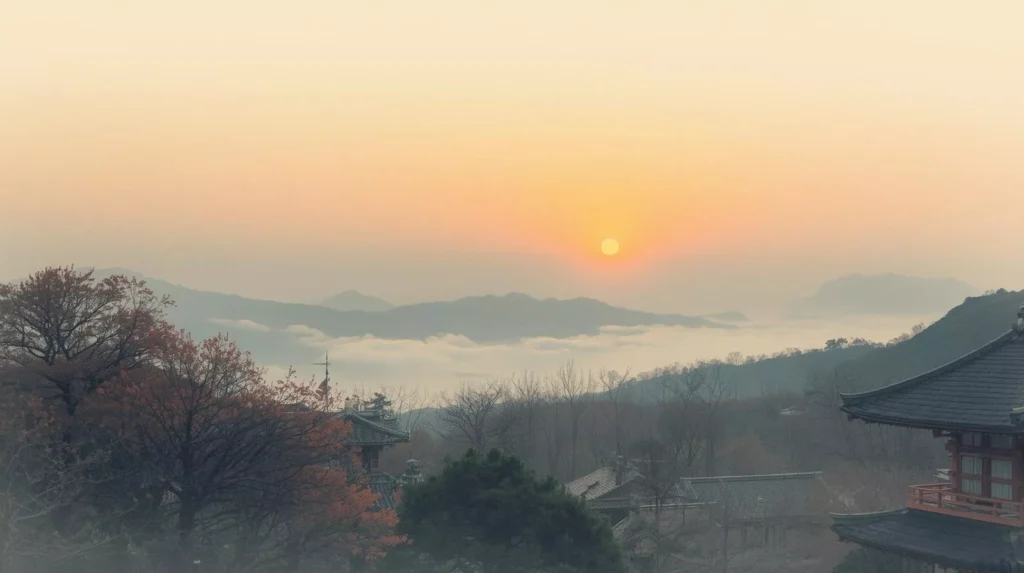
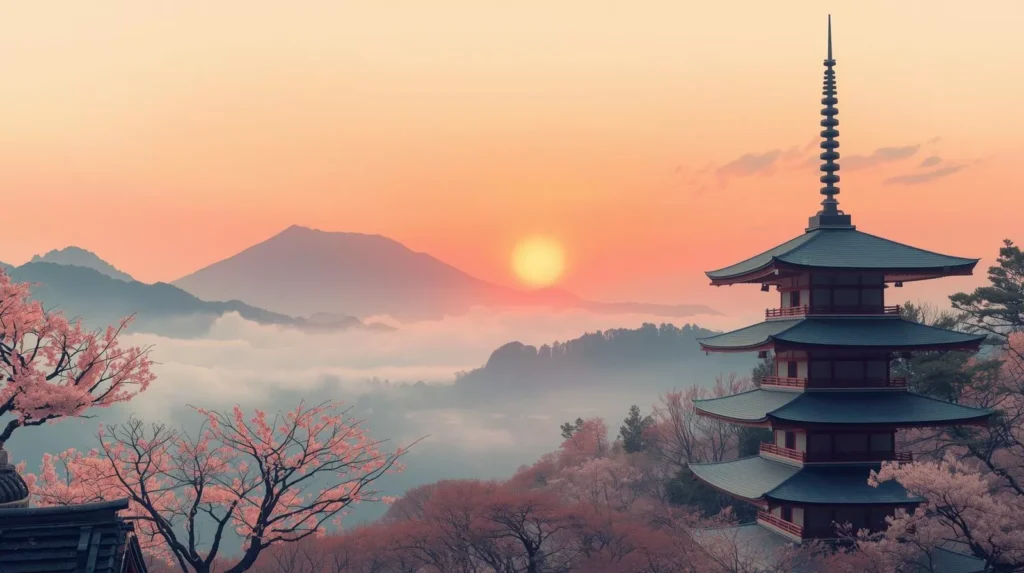
The sun is deeply rooted in Japan’s identity, so much so that the country is often called “The Land of the Rising Sun.” In Japanese mythology, the sun goddess Amaterasu is one of the most revered deities, symbolizing light, creation, and renewal. The national flag, featuring a red sun disc, also represents this sacred connection. Throughout history, the sun has been seen as a source of life, guiding the rhythms of nature and inspiring art, poetry, and names alike. Choosing a name that means “sun” in Japanese is more than a nod to nature.
Japanese Girl Names That Mean Sun
- Himari
Kanji: 陽葵
Meaning: “Sunlight and sunflower.”
Pronunciation: hee-mah-ree - Hinata
Kanji: 陽向
Meaning: “Facing the sun.”
Pronunciation: hee-nah-tah - Haruka
Kanji: 陽香
Meaning: “Sunny fragrance.”
Pronunciation: hah-roo-kah - Hina
Kanji: 陽菜
Meaning: “Sun and greens; sunny vegetable.”
Pronunciation: hee-nah - Asahi
Kanji: 朝日
Meaning: “Morning sun.”
Pronunciation: ah-sah-hee - Akiyo
Kanji: 明世
Meaning: “Bright world.”
Pronunciation: ah-kee-yoh - Amaterasu
Kanji: 天照
Meaning: “Shining heaven; Sun goddess.”
Pronunciation: ah-mah-teh-rah-soo - Harumi
Kanji: 陽美
Meaning: “Sunny beauty.”
Pronunciation: hah-roo-mee - Hinano
Kanji: 陽菜乃
Meaning: “Sun and flourishing field.”
Pronunciation: hee-nah-no - Koharu
Kanji: 小春
Meaning: “Little spring; warm sun of early spring.”
Pronunciation: koh-hah-roo - Hikari
Kanji: 光
Meaning: “Light; radiance.”
Pronunciation: hee-kah-ree - Natsuko
Kanji: 夏子
Meaning: “Child of summer.”
Pronunciation: naht-soo-koh - Haruna
Kanji: 陽菜
Meaning: “Sunny greens; warm weather.”
Pronunciation: hah-roo-nah - Miharu
Kanji: 美陽
Meaning: “Beautiful sun.”
Pronunciation: mee-hah-roo - Sayaka
Kanji: 清陽
Meaning: “Pure and bright sun.”
Pronunciation: sah-yah-kah - Youko
Kanji: 陽子
Meaning: “Child of the sun.”
Pronunciation: yoh-koh - Ami
Kanji: 陽美
Meaning: “Sunny beauty.”
Pronunciation: ah-mee - Hiyori
Kanji: 日和
Meaning: “Sunny weather; fine day.”
Pronunciation: hee-yoh-ree - Haru
Kanji: 陽
Meaning: “Sun; warmth; spring.”
Pronunciation: hah-roo - Akari
Kanji: 明里
Meaning: “Bright and sunny village.”
Pronunciation: ah-kah-ree - Terumi
Kanji: 照美
Meaning: “Shining beauty.”
Pronunciation: teh-roo-mee - Nozomi
Kanji: 望陽
Meaning: “Hopeful sun.”
Pronunciation: noh-zoh-mee - Hinako
Kanji: 陽子
Meaning: “Sunny child.”
Pronunciation: hee-nah-koh - Kiyoka
Kanji: 清陽花
Meaning: “Pure sunny flower.”
Pronunciation: kee-yoh-kah - Mio
Kanji: 美陽
Meaning: “Beautiful sun.”
Pronunciation: mee-oh
Japanese Boy Names That Mean Sun
- Haruto
Kanji: 陽翔
Meaning: “Sunlight and flight.”
Pronunciation: hah-roo-toh - Hinata
Kanji: 陽向
Meaning: “Toward the sun.”
Pronunciation: hee-nah-tah - Asahi
Kanji: 旭
Meaning: “Rising sun.”
Pronunciation: ah-sah-hee - Taiyo
Kanji: 太陽
Meaning: “The sun.”
Pronunciation: tah-ee-yoh - Akira
Kanji: 明
Meaning: “Bright, clear, radiant.”
Pronunciation: ah-kee-rah - Haruya
Kanji: 陽哉
Meaning: “Sunny and truthful.”
Pronunciation: hah-roo-yah - Hinoru
Kanji: 日昇
Meaning: “Sun rising.”
Pronunciation: hee-noh-roo - Kenta
Kanji: 健太陽
Meaning: “Strong and sunny.”
Pronunciation: ken-tah - Haruki
Kanji: 陽輝
Meaning: “Shining sun.”
Pronunciation: hah-roo-kee - Natsuki
Kanji: 夏輝
Meaning: “Summer radiance.”
Pronunciation: naht-soo-kee - Hinoru
Kanji: 日耀
Meaning: “Sunlight shining.”
Pronunciation: hee-noh-roo - Hikaru
Kanji: 光
Meaning: “Light; radiance.”
Pronunciation: hee-kah-roo - Teru
Kanji: 照
Meaning: “To shine; to illuminate.”
Pronunciation: teh-roo - Daiki
Kanji: 大輝
Meaning: “Great radiance.”
Pronunciation: dye-kee - Kosuke
Kanji: 光介
Meaning: “Bright helper.”
Pronunciation: koh-soo-keh - Akihiko
Kanji: 明彦
Meaning: “Bright boy.”
Pronunciation: ah-kee-hee-koh - Haruma
Kanji: 陽真
Meaning: “True sunlight.”
Pronunciation: hah-roo-mah - Yoh
Kanji: 陽
Meaning: “Sun; positive.”
Pronunciation: yoh - Raito
Kanji: 来翔
Meaning: “Light, brightness.”
Pronunciation: rye-toh - Tsubasa
Kanji: 翼陽
Meaning: “Wings of the sun.”
Pronunciation: tsoo-bah-sah - Haruoki
Kanji: 陽起
Meaning: “Rising sun.”
Pronunciation: hah-roo-oh-kee - Hinosuke
Kanji: 日之助
Meaning: “Sun’s helper.”
Pronunciation: hee-noh-soo-keh - Masaharu
Kanji: 正陽
Meaning: “Righteous sun.”
Pronunciation: mah-sah-hah-roo - Harushin
Kanji: 陽真
Meaning: “Genuine sunshine.”
Pronunciation: hah-roo-sheen - Tomoharu
Kanji: 智陽
Meaning: “Wise sun.”
Pronunciation: toh-moh-hah-roo
Japanese Unisex Names That Mean Sun
- Hinata
Kanji: 陽向
Meaning: “Facing the sun.”
Pronunciation: hee-nah-tah - Haru
Kanji: 陽
Meaning: “Sun; warmth.”
Pronunciation: hah-roo - Asahi
Kanji: 朝日
Meaning: “Morning sun.”
Pronunciation: ah-sah-hee - Hikari
Kanji: 光
Meaning: “Light; radiance.”
Pronunciation: hee-kah-ree - Akari
Kanji: 明里
Meaning: “Bright and sunny.”
Pronunciation: ah-kah-ree - Amane
Kanji: 天音
Meaning: “Heavenly sound; from the sky.”
Pronunciation: ah-mah-neh - Natsumi
Kanji: 夏美
Meaning: “Beautiful summer.”
Pronunciation: naht-soo-mee - Harumi
Kanji: 陽海
Meaning: “Sunlit ocean.”
Pronunciation: hah-roo-mee - Hiyori
Kanji: 日和
Meaning: “Sunny weather.”
Pronunciation: hee-yoh-ree - Aki
Kanji: 明
Meaning: “Bright; shining.”
Pronunciation: ah-kee - Teru
Kanji: 照
Meaning: “To shine.”
Pronunciation: teh-roo - You
Kanji: 陽
Meaning: “Sun, yang, light.”
Pronunciation: yoh - Koharu
Kanji: 小春
Meaning: “Little spring.”
Pronunciation: koh-hah-roo - Rin
Kanji: 燐陽
Meaning: “Shining sun.”
Pronunciation: reen - Haruya
Kanji: 陽矢
Meaning: “Sun arrow.”
Pronunciation: hah-roo-yah - Mitsu
Kanji: 光
Meaning: “Light.”
Pronunciation: mee-tsoo - Natsu
Kanji: 夏
Meaning: “Summer; warmth.”
Pronunciation: naht-soo - Akira
Kanji: 明
Meaning: “Bright, clear.”
Pronunciation: ah-kee-rah - Sorahi
Kanji: 空陽
Meaning: “Sky sun.”
Pronunciation: soh-rah-hee - Noa
Kanji: 乃陽
Meaning: “Of the sun.”
Pronunciation: noh-ah - Riku
Kanji: 陸陽
Meaning: “Sun over land.”
Pronunciation: ree-koo - Sora
Kanji: 空陽
Meaning: “Sky and sun.”
Pronunciation: soh-rah - Haruto
Kanji: 陽翔
Meaning: “Sun and flight.”
Pronunciation: hah-roo-toh - Rei
Kanji: 礼陽
Meaning: “Gracious sun.”
Pronunciation: reh-ee - Aoto
Kanji: 青陽
Meaning: “Blue sun; serene brightness.”
Pronunciation: ah-oh-toh
Read More: Japanese Names That Start With C
Japanese Last Names Meaning Sun
| Name | Kanji | Meaning | Pronunciation |
|---|---|---|---|
| Hinata | 日向 | “Sunny place; toward the sun.” | hee-nah-tah |
| Asahi | 朝日 | “Morning sun.” | ah-sah-hee |
| Taiyo | 太陽 | “The sun.” | tah-ee-yoh |
| Hino | 日野 | “Field of the sun.” | hee-noh |
| Hinode | 日の出 | “Sunrise.” | hee-noh-deh |
| Hioka | 日丘 | “Sun hill.” | hee-oh-kah |
| Himuro | 日室 | “Sun chamber.” | hee-moo-roh |
| Higashi | 東陽 | “Eastern sun.” | hee-gah-shee |
| Nichida | 日田 | “Sun field.” | nee-chee-dah |
| Hiyama | 日山 | “Sun mountain.” | hee-yah-mah |
| Hikariyama | 光山 | “Mountain of light.” | hee-kah-ree-yah-mah |
| Hiura | 日浦 | “Sun bay.” | hee-oo-rah |
| Hinose | 日瀬 | “Sun rapids.” | hee-noh-seh |
| Hiuchi | 日内 | “Within the sun.” | hee-oo-chee |
| Hiizumi | 日泉 | “Sun spring.” | hee-ee-zoo-mee |
| Hinohara | 日原 | “Sun meadow.” | hee-noh-hah-rah |
| Hidaka | 日高 | “High sun.” | hee-dah-kah |
| Hiyoshi | 日吉 | “Sun and good fortune.” | hee-yoh-shee |
| Hinoki | 日木 | “Sun tree.” | hee-noh-kee |
| Hiizaka | 日坂 | “Sun slope.” | hee-ee-zah-kah |
| Nichimoto | 日本 | “Origin of the sun.” | nee-chee-moh-toh |
| Hinobe | 日部 | “Sun section.” | hee-noh-beh |
| Hiwara | 日原 | “Sun plain.” | hee-wah-rah |
| Hishida | 日志田 | “Field of sun and will.” | hee-shee-dah |
| Himura | 日村 | “Sun village.” | hee-moo-rah |
Unique & Rare Japanese Names That Mean Sun
- Hinonari
Kanji: 日成
Meaning: “Sun’s achievement.”
Pronunciation: hee-no-nah-ree - Akitsune
Kanji: 明常
Meaning: “Ever-bright.”
Pronunciation: ah-kee-tsoo-neh - Hiyuu
Kanji: 陽悠
Meaning: “Eternal sunlight.”
Pronunciation: hee-yoo - Nichika
Kanji: 日華
Meaning: “Sun blossom.”
Pronunciation: nee-chee-kah - Haruyo
Kanji: 陽世
Meaning: “Sunny world.”
Pronunciation: hah-roo-yoh - Hiari
Kanji: 陽里
Meaning: “Village of sun.”
Pronunciation: hee-ah-ree - Kayo
Kanji: 夏陽
Meaning: “Summer sun.”
Pronunciation: kah-yoh - Hiomi
Kanji: 日美
Meaning: “Beautiful sun.”
Pronunciation: hee-oh-mee - Aoharu
Kanji: 青陽
Meaning: “Blue sunlight; spring sun.”
Pronunciation: ah-oh-hah-roo - Hinari
Kanji: 日成
Meaning: “Becoming the sun.”
Pronunciation: hee-nah-ree - Harutoha
Kanji: 陽葉
Meaning: “Sun leaf.”
Pronunciation: hah-roo-toh-hah - Nichiro
Kanji: 日朗
Meaning: “Cheerful sun.”
Pronunciation: nee-chee-roh - Sorahi
Kanji: 空陽
Meaning: “Sky sun.”
Pronunciation: soh-rah-hee - Youta
Kanji: 陽太
Meaning: “Plentiful sunshine.”
Pronunciation: yoh-tah - Hikano
Kanji: 陽乃
Meaning: “Of the sunlight.”
Pronunciation: hee-kah-no - Hinoka
Kanji: 陽花
Meaning: “Sunflower; sunny blossom.”
Pronunciation: hee-noh-kah - Tenshou
Kanji: 天照
Meaning: “Heavenly illumination.”
Pronunciation: tehn-shoh - Amahina
Kanji: 天陽菜
Meaning: “Heavenly sunny greens.”
Pronunciation: ah-mah-hee-nah - Hiari
Kanji: 日理
Meaning: “Sun’s reason.”
Pronunciation: hee-ah-ree - Hinae
Kanji: 陽映
Meaning: “Reflection of sunlight.”
Pronunciation: hee-nah-eh - Nichiyo
Kanji: 日耀
Meaning: “Radiant sun.”
Pronunciation: nee-chee-yoh - Hinoshi
Kanji: 日志
Meaning: “Sun’s will.”
Pronunciation: hee-noh-shee - Amayu
Kanji: 天陽
Meaning: “Heaven’s sun.”
Pronunciation: ah-mah-yoo - Hiyume
Kanji: 陽夢
Meaning: “Dream of the sun.”
Pronunciation: hee-yoo-meh - Haruhina
Kanji: 陽陽菜
Meaning: “Sunshine and greens.”
Pronunciation: hah-roo-hee-nah
Popular & Modern Japanese Names Meaning Sun
- Himari
Kanji: 陽葵
Meaning: “Sunflower; sunlight.”
Pronunciation: hee-mah-ree - Hinata
Kanji: 陽向
Meaning: “Facing the sun.”
Pronunciation: hee-nah-tah - Taiyo
Kanji: 太陽
Meaning: “The sun.”
Pronunciation: tah-ee-yoh - Hikari
Kanji: 光
Meaning: “Light; radiance.”
Pronunciation: hee-kah-ree - Haruto
Kanji: 陽翔
Meaning: “Flying sun; sunlight and flight.”
Pronunciation: hah-roo-toh - Asahi
Kanji: 朝日
Meaning: “Morning sun.”
Pronunciation: ah-sah-hee - Akari
Kanji: 明里
Meaning: “Bright and sunny.”
Pronunciation: ah-kah-ree - Haruki
Kanji: 陽輝
Meaning: “Shining sun.”
Pronunciation: hah-roo-kee - Haruna
Kanji: 陽菜
Meaning: “Sunny greens.”
Pronunciation: hah-roo-nah - Youko
Kanji: 陽子
Meaning: “Child of the sun.”
Pronunciation: yoh-koh - Natsuki
Kanji: 夏輝
Meaning: “Summer radiance.”
Pronunciation: naht-soo-kee - Haruma
Kanji: 陽真
Meaning: “True sunlight.”
Pronunciation: hah-roo-mah - Mio
Kanji: 美陽
Meaning: “Beautiful sun.”
Pronunciation: mee-oh - Raito
Kanji: 来翔
Meaning: “Light; brightness.”
Pronunciation: rye-toh - Ami
Kanji: 陽美
Meaning: “Sunny beauty.”
Pronunciation: ah-mee - Haruya
Kanji: 陽矢
Meaning: “Sun arrow.”
Pronunciation: hah-roo-yah - Teru
Kanji: 照
Meaning: “To shine.”
Pronunciation: teh-roo - Akira
Kanji: 明
Meaning: “Bright, clear.”
Pronunciation: ah-kee-rah - Hiyori
Kanji: 日和
Meaning: “Sunny weather.”
Pronunciation: hee-yoh-ree - Noa
Kanji: 乃陽
Meaning: “Of the sun.”
Pronunciation: noh-ah - Harumi
Kanji: 陽海
Meaning: “Sunlit ocean.”
Pronunciation: hah-roo-mee - Sora
Kanji: 空陽
Meaning: “Sky and sun.”
Pronunciation: soh-rah - Haru
Kanji: 陽
Meaning: “Sun; warmth.”
Pronunciation: hah-roo - Yoh
Kanji: 陽
Meaning: “Sun; positive.”
Pronunciation: yoh - Riku
Kanji: 陸陽
Meaning: “Sun over land.”
Pronunciation: ree-koo
Sun-Inspired Names from Japanese Mythology and Folklore
- Amaterasu
Kanji: 天照
Meaning: “Shining heaven; Sun goddess.”
Pronunciation: ah-mah-teh-rah-soo - Hiruko
Kanji: 蛭子
Meaning: “Leech child; child of the sun and sea.”
Pronunciation: hee-roo-koh - Amanohohi
Kanji: 天火明
Meaning: “Heavenly blaze of light.”
Pronunciation: ah-mah-noh-hoh-hee - Ame-no-Uzume
Kanji: 天鈿女
Meaning: “Heavenly whirling woman; goddess of dawn and joy.”
Pronunciation: ah-meh-noh-oo-zoo-meh - Ohirume
Kanji: 大日孁貴
Meaning: “Great shining sun goddess (another name for Amaterasu).”
Pronunciation: oh-hee-roo-meh - Toyohikarino-mikoto
Kanji: 豊光命
Meaning: “Abundant light deity.”
Pronunciation: toh-yoh-hee-kah-ree-noh-mee-koh-toh - Kagutsuchi
Kanji: 火之迦具土
Meaning: “Flame deity; born of divine fire.”
Pronunciation: kah-goo-tsoo-chee - Hino-kagutsuchi
Kanji: 火之迦具土神
Meaning: “God of the blazing sun and fire.”
Pronunciation: hee-noh-kah-goo-tsoo-chee - Amatsu-Hikaru
Kanji: 天津光
Meaning: “Heavenly light.”
Pronunciation: ah-mah-tsoo-hee-kah-roo - Hinokami
Kanji: 日の神
Meaning: “Sun god.”
Pronunciation: hee-noh-kah-mee - Hi-no-Moto
Kanji: 日の本
Meaning: “Origin of the sun; poetic name for Japan.”
Pronunciation: hee-noh-moh-toh - Tenshi
Kanji: 天使
Meaning: “Heavenly messenger of light.”
Pronunciation: tehn-shee - Amanoterasu
Kanji: 天照神
Meaning: “Heaven-illuminating deity.”
Pronunciation: ah-mah-noh-teh-rah-soo-shin - Ohisama
Kanji: お日様
Meaning: “Honored sun; personified sun in folklore.”
Pronunciation: oh-hee-sah-mah - Tenshin
Kanji: 天真
Meaning: “Pure heaven; true sunlight.”
Pronunciation: tehn-sheen - Hinohikari
Kanji: 日の光
Meaning: “Sunlight; divine radiance.”
Pronunciation: hee-noh-hee-kah-ree - Ame-no-Hiboko
Kanji: 天日槍
Meaning: “Heavenly sun spear.”
Pronunciation: ah-meh-noh-hee-boh-koh - Takamimusubi
Kanji: 高御産巣日神
Meaning: “High creator deity associated with the sun.”
Pronunciation: tah-kah-mee-moo-soo-bee-no-kah-mee - Hinowaka
Kanji: 日若
Meaning: “Young sun.”
Pronunciation: hee-noh-wah-kah - Amatsuhikone
Kanji: 天津彦根
Meaning: “Heavenly male child of the sun.”
Pronunciation: ah-mah-tsoo-hee-koh-neh - Ohinode
Kanji: 御日の出
Meaning: “Noble sunrise.”
Pronunciation: oh-hee-noh-deh - Hinoakari
Kanji: 日明
Meaning: “Sunlight; dawn’s brightness.”
Pronunciation: hee-noh-ah-kah-ree - Amano-Iwato
Kanji: 天岩戸
Meaning: “Heavenly rock cave (myth where the sun goddess hid).”
Pronunciation: ah-mah-noh-ee-wah-toh - Hinokage
Kanji: 日の影
Meaning: “Sun’s shadow; twilight.”
Pronunciation: hee-noh-kah-geh - Amahikari
Kanji: 天光
Meaning: “Heavenly light.”
Pronunciation: ah-mah-hee-kah-ree
Read More: Japanese Names That Start With D
Tips For Choosing the Perfect Sun-Inspired Japanese Name
- Focus on the Deeper Symbolism of the Sun – In Japanese culture, the sun represents life, hope, renewal, and divine light. When choosing a name, think about which of these qualities you want the name to embody. The emotion behind the name is just as important as its translation.
- Pay Attention to the Kanji Combination – The kanji (Chinese characters) used in Japanese names greatly affect their meaning. For example, Hina (陽菜) can mean “sunny greens,” while Hina (日奈) may mean “sun and harmony.” A small change in kanji can shift the name’s nuance, so choose characters that reflect the tone, energy, and symbolism you want.
- Balance Sound and Meaning – A beautiful name should sound harmonious as well as carry meaningful kanji. Try saying the name aloud to see how it flows, names like Hinata or Haruki feel soft and radiant, while Taiyo or Amaterasu sound bold and powerful. The sound can express the personality you wish to convey.
- Reflect Nature and Seasonality – Many Japanese sun-inspired names also draw from nature and seasonal imagery. Consider a name that connects the sun to a season, element, or scene that feels personally meaningful to you.
- Respect Cultural and Mythological Roots – Japan’s sun symbolism ties closely to mythology and national identity, especially the goddess Amaterasu, the divine source of light. Choosing a name with mythic resonance (like Tenshou or Amayu) adds depth and authenticity.
FAQs
Conclusion
Choosing a Japanese name that means “sun” is more than finding a beautiful word. In Japan, the sun is a sacred and symbolic force that represents renewal, clarity, and strength. Whether you’re inspired by traditional names like Amaterasu or modern favorites like Hinata and Haruto, each name carries a ray of positivity and brilliance. From rare and unique choices that shimmer with individuality to mythological names rooted in divine light, these sun-inspired Japanese names reflect both cultural depth and emotional meaning.