Japanese Names That Mean Snow | Winter-Inspired Name Ideas
Japanese names that mean snow are more than just beautifully poetic. In Japan, snow (yuki) is admired for its purity, quiet strength, and fleeting beauty, qualities often celebrated in art, poetry, and names. Choosing a Japanese name inspired by snow isn’t only about its aesthetic charm; it’s also a way to express serenity, grace, and renewal. Whether you’re expecting a little one during the snowy season or simply captivated by the tranquil elegance of winter, these names embody the calm spirit and subtle magic of falling snow.
Best Pick
Miyuki
Fuyuki
Yukina
Koyuki
Cultural Significance of the Snow in Japan
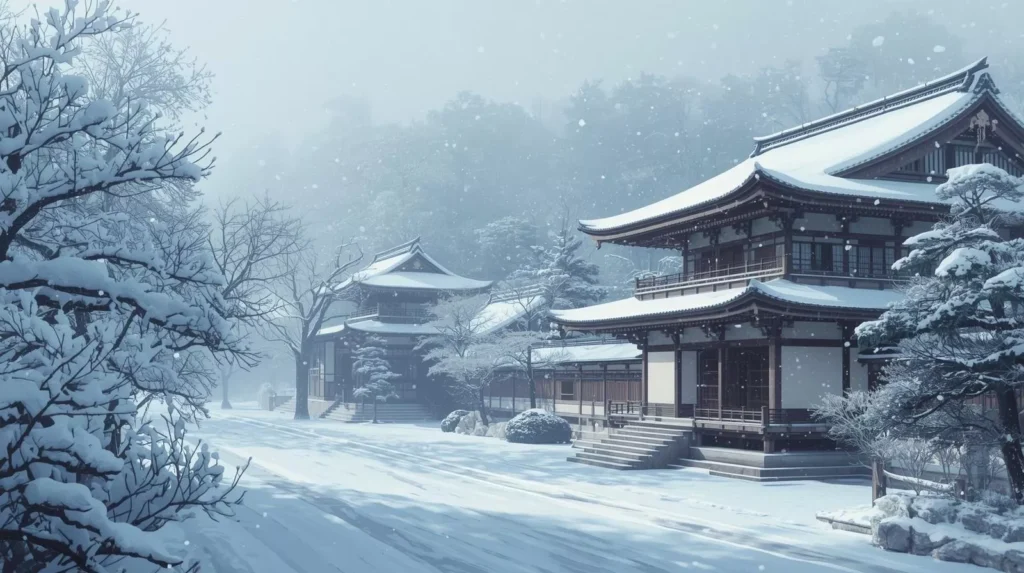
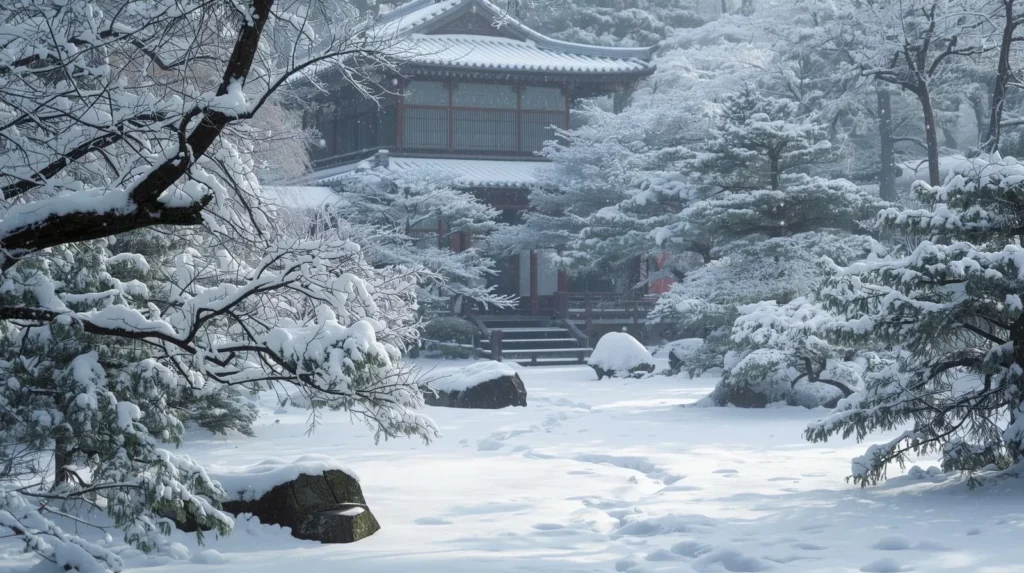
In Japanese culture, snow symbolizes purity, transience, beauty and traditional aesthetics like wabi-sabi (the beauty of imperfection) and mono no aware (the gentle sadness of impermanence). The sight of snow-covered temples or landscapes has long inspired poets and artists to reflect on peace, clarity, and the cycles of nature. Snow is not just a season in Japan but it’s a cultural metaphor for quiet reflection and spiritual renewal. This reverence for snow is beautifully mirrored in Japanese names, where it represents a wish for a life as pure and serene as freshly fallen snow.
Japanese Girl Names That Mean Snow
- Yuki
Kanji: 雪
Meaning: “Snow”
Pronunciation: Yoo-kee - Yukiko
Kanji: 雪子
Meaning: “Snow child”
Pronunciation: Yoo-kee-koh - Yukina
Kanji: 雪奈
Meaning: “Snow and calmness”
Pronunciation: Yoo-kee-nah - Yukinae
Kanji: 雪苗
Meaning: “Snow seedling”
Pronunciation: Yoo-kee-nah-eh - Yukimi
Kanji: 雪見
Meaning: “Snow viewing”
Pronunciation: Yoo-kee-mee - Yukinao
Kanji: 雪直
Meaning: “Honest snow”
Pronunciation: Yoo-kee-now - Setsuko
Kanji: 雪子 / 節子
Meaning: “Child of snow” or “child of purity”
Pronunciation: Seh-tsu-koh - Yukiyo
Kanji: 雪代
Meaning: “Generation of snow”
Pronunciation: Yoo-kee-yoh - Yukie
Kanji: 雪絵
Meaning: “Snow picture” or “snow painting”
Pronunciation: Yoo-kee-eh - Yukika
Kanji: 雪香
Meaning: “Fragrance of snow”
Pronunciation: Yoo-kee-kah - Yukikoha
Kanji: 雪葉
Meaning: “Snow leaf”
Pronunciation: Yoo-kee-koh-hah - Yukinao
Kanji: 雪尚
Meaning: “Noble snow”
Pronunciation: Yoo-kee-now - Miyuki
Kanji: 美雪
Meaning: “Beautiful snow”
Pronunciation: Mee-yoo-kee - Sayuki
Kanji: 沙雪
Meaning: “Little snow”
Pronunciation: Sah-yoo-kee - Ayuki
Kanji: 亜雪
Meaning: “Subtle snow” or “gentle snow”
Pronunciation: Ah-yoo-kee - Toyuki
Kanji: 登雪
Meaning: “Climbing snow’’
Pronunciation: Toh-yoo-kee - Fuyuka
Kanji: 冬香
Meaning: “Winter fragrance”
Pronunciation: Foo-yoo-kah - Fuyumi
Kanji: 冬美
Meaning: “Winter beauty”
Pronunciation: Foo-yoo-mee - Fuyuko
Kanji: 冬子
Meaning: “Child of winter”
Pronunciation: Foo-yoo-koh - Setsuna
Kanji: 雪菜
Meaning: “Snowy greens” or “pure snow”
Pronunciation: Seh-tsu-nah - Yukihana
Kanji: 雪花
Meaning: “Snow flower”
Pronunciation: Yoo-kee-hah-nah - Yukieko
Kanji: 雪栄子
Meaning: “Prosperous snow child”
Pronunciation: Yoo-kee-eh-koh - Yukino
Kanji: 雪乃
Meaning: “Of snow”
Pronunciation: Yoo-kee-noh - Sayukina
Kanji: 紗雪奈
Meaning: “Elegant snow grace”
Pronunciation: Sah-yoo-kee-nah - Koyuki
Kanji: 小雪
Meaning: “Little snow”
Pronunciation: Koh-yoo-kee
Japanese Boy Names That Mean Snow
- Yukio
Kanji: 雪雄
Meaning: “Snow man” or “snow hero”
Pronunciation: Yoo-kee-oh - Yukinori
Kanji: 雪紀
Meaning: “Rule of snow”
Pronunciation: Yoo-kee-no-ree - Yukihiro
Kanji: 雪弘
Meaning: “Generous snow”
Pronunciation: Yoo-kee-hee-roh - Yukitaka
Kanji: 雪隆
Meaning: “Noble snow”
Pronunciation: Yoo-kee-tah-kah - Yukihisa
Kanji: 雪久
Meaning: “Eternal snow”
Pronunciation: Yoo-kee-hee-sah - Yukimasa
Kanji: 雪正
Meaning: “Righteous snow”
Pronunciation: Yoo-kee-mah-sah - Yukinao
Kanji: 雪尚
Meaning: “Honorable snow”
Pronunciation: Yoo-kee-now - Yukisada
Kanji: 雪貞
Meaning: “Pure snow”
Pronunciation: Yoo-kee-sah-dah - Yukifumi
Kanji: 雪文
Meaning: “Snow writing”
Pronunciation: Yoo-kee-foo-mee - Yukiharu
Kanji: 雪春
Meaning: “Snow and spring”
Pronunciation: Yoo-kee-hah-roo - Setsuo
Kanji: 雪雄
Meaning: “Strong as snow”
Pronunciation: Seh-tsu-oh - Fuyuki
Kanji: 冬樹
Meaning: “Winter tree”
Pronunciation: Foo-yoo-kee - Fuyuhiko
Kanji: 冬彦
Meaning: “Winter boy”
Pronunciation: Foo-yoo-hee-koh - Fuyunori
Kanji: 冬紀
Meaning: “Rule of winter”
Pronunciation: Foo-yoo-no-ree - Yukitaka
Kanji: 雪隆
Meaning: “Exalted snow”
Pronunciation: Yoo-kee-tah-kah - Yukikazu
Kanji: 雪和
Meaning: “Peaceful snow”
Pronunciation: Yoo-kee-kah-zoo - Yukiya
Kanji: 雪也
Meaning: “Also snow”
Pronunciation: Yoo-kee-yah - Yukina
Kanji: 雪名
Meaning: “Snow name” (used for boys occasionally)
Pronunciation: Yoo-kee-nah - Yukitora
Kanji: 雪虎
Meaning: “Snow tiger”
Pronunciation: Yoo-kee-toh-rah - Yukihide
Kanji: 雪秀
Meaning: “Excellent snow”
Pronunciation: Yoo-kee-hee-deh - Yukimori
Kanji: 雪守
Meaning: “Guardian of snow”
Pronunciation: Yoo-kee-moh-ree - Yukioji
Kanji: 雪王子
Meaning: “Prince of snow”
Pronunciation: Yoo-kee-oh-jee - Fuyuta
Kanji: 冬太
Meaning: “Thick snow”
Pronunciation: Foo-yoo-tah - Setsunori
Kanji: 雪則
Meaning: “Law of snow”
Pronunciation: Seh-tsu-no-ree - Yukimune
Kanji: 雪宗
Meaning: “Snow origin”
Pronunciation: Yoo-kee-moo-neh
Japanese Unisex Names That Mean Snow
- Yuki
Kanji: 雪
Meaning: “Snow”
Pronunciation: Yoo-kee - Miyuki
Kanji: 美雪
Meaning: “Beautiful snow”
Pronunciation: Mee-yoo-kee - Fuyuki
Kanji: 冬樹
Meaning: “Winter tree”
Pronunciation: Foo-yoo-kee - Yukine
Kanji: 雪音
Meaning: “Sound of snow”
Pronunciation: Yoo-kee-neh - Yukiya
Kanji: 雪也
Meaning: “Snow also”
Pronunciation: Yoo-kee-yah - Yukina
Kanji: 雪菜
Meaning: “Snow vegetable/purity”
Pronunciation: Yoo-kee-nah - Setsu
Kanji: 雪 / 節
Meaning: “Snow” or “purity”
Pronunciation: Seh-tsu - Yukio
Kanji: 雪生
Meaning: “Born of snow”
Pronunciation: Yoo-kee-oh - Yukimi
Kanji: 雪見
Meaning: “Snow viewing”
Pronunciation: Yoo-kee-mee - Fuyumi
Kanji: 冬美
Meaning: “Winter beauty”
Pronunciation: Foo-yoo-mee - Fuyuna
Kanji: 冬菜
Meaning: “Winter greens”
Pronunciation: Foo-yoo-nah - Fuyuharu
Kanji: 冬春
Meaning: “Winter and spring”
Pronunciation: Foo-yoo-hah-roo - Yukika
Kanji: 雪香
Meaning: “Fragrance of snow”
Pronunciation: Yoo-kee-kah - Yukino
Kanji: 雪乃
Meaning: “Of snow”
Pronunciation: Yoo-kee-noh - Toyuki
Kanji: 登雪
Meaning: “Rising snow”
Pronunciation: Toh-yoo-kee - Sayuki
Kanji: 紗雪
Meaning: “Fine snow”
Pronunciation: Sah-yoo-kee - Fuyuto
Kanji: 冬翔
Meaning: “Winter flight”
Pronunciation: Foo-yoo-toh - Yukishi
Kanji: 雪司
Meaning: “Snow rule”
Pronunciation: Yoo-kee-shee - Yukihiro
Kanji: 雪宏
Meaning: “Vast snow”
Pronunciation: Yoo-kee-hee-roh - Yukisa
Kanji: 雪沙
Meaning: “Snow sand”
Pronunciation: Yoo-kee-sah - Yukinao
Kanji: 雪尚
Meaning: “Honorable snow”
Pronunciation: Yoo-kee-now - Setsuna
Kanji: 雪菜
Meaning: “Snowy grace”
Pronunciation: Seh-tsu-nah - Fuyuki
Kanji: 冬喜
Meaning: “Winter joy”
Pronunciation: Foo-yoo-kee - Yukita
Kanji: 雪多
Meaning: “Abundant snow”
Pronunciation: Yoo-kee-tah - Yukiharu
Kanji: 雪春
Meaning: “Snow spring”
Pronunciation: Yoo-kee-hah-roo
Read More: Japanese Names That Start With A
Japanese Last Names Meaning Snow
| Name | Kanji | Meaning | Pronunciation |
|---|---|---|---|
| Yukiyama | 雪山 | “Snow mountain” | Yoo-kee-yah-mah |
| Yukizawa | 雪沢 | “Snow marsh” | Yoo-kee-zah-wah |
| Yukihara | 雪原 | “Snow field” | Yoo-kee-hah-rah |
| Yukimoto | 雪本 | “Origin of snow” | Yoo-kee-moh-toh |
| Yukisawa | 雪沢 | “Snow stream” | Yoo-kee-sah-wah |
| Yukino | 雪野 | “Snow plains” | Yoo-kee-noh |
| Yukikawa | 雪川 | “Snow river” | Yoo-kee-kah-wah |
| Yukishita | 雪下 | “Under the snow” | Yoo-kee-shee-tah |
| Yukimura | 雪村 | “Snow village” | Yoo-kee-moo-rah |
| Yukigaya | 雪谷 | “Snow valley” | Yoo-kee-gah-yah |
| Yukitani | 雪谷 | “Valley of snow” | Yoo-kee-tah-nee |
| Yukibara | 雪原 | “Snow plain” | Yoo-kee-bah-rah |
| Yukiwara | 雪原 | “Snow field” | Yoo-kee-wah-rah |
| Fuyusawa | 冬沢 | “Winter swamp” | Foo-yoo-sah-wah |
| Fuyukawa | 冬川 | “Winter river” | Foo-yoo-kah-wah |
| Fuyuhara | 冬原 | “Winter meadow” | Foo-yoo-hah-rah |
| Fuyunaga | 冬永 | “Eternal winter” | Foo-yoo-nah-gah |
| Fuyumura | 冬村 | “Winter village” | Foo-yoo-moo-rah |
| Fuyuyama | 冬山 | “Winter mountain” | Foo-yoo-yah-mah |
| Yukihashi | 雪橋 | “Snow bridge” | Yoo-kee-hah-shee |
| Yukida | 雪田 | “Snow field” | Yoo-kee-dah |
| Yukisato | 雪里 | “Snow village” | Yoo-kee-sah-toh |
| Yukimoto | 雪本 | “Snow origin” | Yoo-kee-moh-toh |
| Fuyuda | 冬田 | “Winter field” | Foo-yoo-dah |
| Yukioka | 雪岡 | “Snow hill” | Yoo-kee-oh-kah |
Unique & Rare Japanese Names That Mean Snow
- Yukitsura
Kanji: 雪面
Meaning: “Snow surface”
Pronunciation: Yoo-kee-tsoo-rah - Yukikane
Kanji: 雪鐘
Meaning: “Snow bell”
Pronunciation: Yoo-kee-kah-neh - Yukitoki
Kanji: 雪時
Meaning: “Time of snow”
Pronunciation: Yoo-kee-toh-kee - Setsuri
Kanji: 雪璃
Meaning: “Crystal snow”
Pronunciation: Seh-tsu-ree - Yukiyoha
Kanji: 雪葉
Meaning: “Snow leaf”
Pronunciation: Yoo-kee-yoh-hah - Fuyutsuki
Kanji: 冬月
Meaning: “Winter moon”
Pronunciation: Foo-yoo-tsoo-kee - Yukikae
Kanji: 雪替
Meaning: “Changing snow”
Pronunciation: Yoo-kee-kah-eh - Setsuyo
Kanji: 雪世
Meaning: “World of snow”
Pronunciation: Seh-tsu-yoh - Yukihito
Kanji: 雪仁
Meaning: “Virtuous snow”
Pronunciation: Yoo-kee-hee-toh - Yukihanae
Kanji: 雪羽
Meaning: “Snow feather”
Pronunciation: Yoo-kee-hah-neh - Fuyukae
Kanji: 冬風
Meaning: “Winter breeze”
Pronunciation: Foo-yoo-kah-eh - Yukizane
Kanji: 雪実
Meaning: “True snow” or “fruit of snow”
Pronunciation: Yoo-kee-zah-neh - Setsuka
Kanji: 雪霞
Meaning: “Snow mist”
Pronunciation: Seh-tsu-kah - Yukibane
Kanji: 雪羽音
Meaning: “Sound of snow wings”
Pronunciation: Yoo-kee-bah-neh - Yukinobu
Kanji: 雪信
Meaning: “Faithful snow”
Pronunciation: Yoo-kee-no-boo - Fuyuhime
Kanji: 冬姫
Meaning: “Winter princess”
Pronunciation: Foo-yoo-hee-meh - Yukishin
Kanji: 雪心
Meaning: “Snow heart”
Pronunciation: Yoo-kee-sheen - Setsura
Kanji: 雪羅
Meaning: “Snow silk” or “snow veil”
Pronunciation: Seh-tsu-rah - Yukiwane
Kanji: 雪鐘音
Meaning: “Chime of snow”
Pronunciation: Yoo-kee-wah-neh - Yukirisa
Kanji: 雪理咲
Meaning: “Reason blooms in snow”
Pronunciation: Yoo-kee-ree-sah - Fuyuto
Kanji: 冬翔
Meaning: “Winter flight”
Pronunciation: Foo-yoo-toh - Yukitomo
Kanji: 雪友
Meaning: “Friend of snow”
Pronunciation: Yoo-kee-toh-moh - Yukisayo
Kanji: 雪紗世
Meaning: “Elegant world of snow”
Pronunciation: Yoo-kee-sah-yoh - Setsuha
Kanji: 雪波
Meaning: “Snow wave”
Pronunciation: Seh-tsu-hah - Yukitoha
Kanji: 雪翔羽
Meaning: “Snow flying feather”
Pronunciation: Yoo-kee-toh-hah
Popular & Modern Japanese Names Inspired by the Snow
- Yuki
Kanji: 雪
Meaning: “Snow”
Pronunciation: Yoo-kee - Miyuki
Kanji: 美雪
Meaning: “Beautiful snow”
Pronunciation: Mee-yoo-kee - Koyuki
Kanji: 小雪
Meaning: “Little snow”
Pronunciation: Koh-yoo-kee - Sayuki
Kanji: 紗雪
Meaning: “Elegant snow”
Pronunciation: Sah-yoo-kee - Fuyumi
Kanji: 冬美
Meaning: “Winter beauty”
Pronunciation: Foo-yoo-mee - Yukina
Kanji: 雪奈
Meaning: “Calm snow”
Pronunciation: Yoo-kee-nah - Yukino
Kanji: 雪乃
Meaning: “Of snow”
Pronunciation: Yoo-kee-noh - Yukika
Kanji: 雪香
Meaning: “Fragrant snow”
Pronunciation: Yoo-kee-kah - Yukihiro
Kanji: 雪宏
Meaning: “Vast snow”
Pronunciation: Yoo-kee-hee-roh - Yukio
Kanji: 雪雄
Meaning: “Snow man”
Pronunciation: Yoo-kee-oh - Fuyuka
Kanji: 冬香
Meaning: “Winter fragrance”
Pronunciation: Foo-yoo-kah - Yukiya
Kanji: 雪也
Meaning: “Also snow”
Pronunciation: Yoo-kee-yah - Fuyuki
Kanji: 冬樹
Meaning: “Winter tree”
Pronunciation: Foo-yoo-kee - Yukiharu
Kanji: 雪春
Meaning: “Snow and spring”
Pronunciation: Yoo-kee-hah-roo - Yukimi
Kanji: 雪見
Meaning: “Snow viewing”
Pronunciation: Yoo-kee-mee - Yukika
Kanji: 雪佳
Meaning: “Excellent snow”
Pronunciation: Yoo-kee-kah - Fuyuto
Kanji: 冬翔
Meaning: “Winter flight”
Pronunciation: Foo-yoo-toh - Yukie
Kanji: 雪絵
Meaning: “Snow painting”
Pronunciation: Yoo-kee-eh - Setsuna
Kanji: 雪菜
Meaning: “Snowy grace”
Pronunciation: Seh-tsu-nah - Yukita
Kanji: 雪多
Meaning: “Abundant snow”
Pronunciation: Yoo-kee-tah - Yukimura
Kanji: 雪村
Meaning: “Snow village” (also a modern surname used as a name)
Pronunciation: Yoo-kee-moo-rah - Yukihime
Kanji: 雪姫
Meaning: “Snow princess”
Pronunciation: Yoo-kee-hee-meh - Fuyuno
Kanji: 冬乃
Meaning: “Of winter”
Pronunciation: Foo-yoo-noh - Yukinao
Kanji: 雪尚
Meaning: “Honorable snow”
Pronunciation: Yoo-kee-now - Sayukina
Kanji: 紗雪奈
Meaning: “Graceful snow”
Pronunciation: Sah-yoo-kee-nah
Snow-Inspired Names from Japanese Mythology and Folklore
- Yukionna
Kanji: 雪女
Meaning: “Snow woman” (mythical spirit)
Pronunciation: Yoo-kee-on-nah - Yukihime
Kanji: 雪姫
Meaning: “Snow princess,” a spirit or goddess of snow
Pronunciation: Yoo-kee-hee-meh - Fuyuko
Kanji: 冬子
Meaning: “Child of winter”
Pronunciation: Foo-yoo-koh - Yukinaga
Kanji: 雪長
Meaning: “Eternal snow”
Pronunciation: Yoo-kee-nah-gah - Setsuko
Kanji: 雪子
Meaning: “Child of snow”
Pronunciation: Seh-tsu-koh - Yukitaka
Kanji: 雪隆
Meaning: “Exalted snow”
Pronunciation: Yoo-kee-tah-kah - Yukimori
Kanji: 雪守
Meaning: “Guardian of snow”
Pronunciation: Yoo-kee-moh-ree - Yukiyasha
Kanji: 雪夜叉
Meaning: “Snow demon” (inspired by folklore creatures)
Pronunciation: Yoo-kee-yah-shah - Yukihiko
Kanji: 雪彦
Meaning: “Snow boy”
Pronunciation: Yoo-kee-hee-koh - Setsuna
Kanji: 雪奈
Meaning: “Pure snow”
Pronunciation: Seh-tsu-nah - Yukinae
Kanji: 雪苗
Meaning: “Snow seedling”
Pronunciation: Yoo-kee-nah-eh - Yukitora
Kanji: 雪虎
Meaning: “Snow tiger” (symbol of strength)
Pronunciation: Yoo-kee-toh-rah - Fuyuhiko
Kanji: 冬彦
Meaning: “Boy of winter”
Pronunciation: Foo-yoo-hee-koh - Yukiyori
Kanji: 雪依
Meaning: “Relying on snow”
Pronunciation: Yoo-kee-yoh-ree - Yukikage
Kanji: 雪影
Meaning: “Shadow of snow”
Pronunciation: Yoo-kee-kah-geh - Yukihana
Kanji: 雪花
Meaning: “Snow flower” (a poetic symbol in folklore)
Pronunciation: Yoo-kee-hah-nah - Yukishiro
Kanji: 雪白
Meaning: “Snow white”
Pronunciation: Yoo-kee-shee-roh - Yukibana
Kanji: 雪花
Meaning: “Blossom of snow”
Pronunciation: Yoo-kee-bah-nah - Fuyutsuna
Kanji: 冬綱
Meaning: “Winter cord” (a symbolic connection to seasons)
Pronunciation: Foo-yoo-tsoo-nah - Yukikane
Kanji: 雪鐘
Meaning: “Snow bell” (bells used in winter rituals)
Pronunciation: Yoo-kee-kah-neh - Yukisada
Kanji: 雪貞
Meaning: “Pure snow”
Pronunciation: Yoo-kee-sah-dah - Yukizumi
Kanji: 雪澄
Meaning: “Clear snow”
Pronunciation: Yoo-kee-zoo-mee - Yukiharu
Kanji: 雪晴
Meaning: “Snow clearing” (after a storm)
Pronunciation: Yoo-kee-hah-roo - Setsuhana
Kanji: 雪華
Meaning: “Snow blossom” (used in poetry)
Pronunciation: Seh-tsu-hah-nah - Yukitsune
Kanji: 雪常
Meaning: “Eternal snow spirit”
Pronunciation: Yoo-kee-tsoo-neh
Read More: Japanese Names That Start With B
Tips For Choosing the Perfect Snow-Inspired Japanese Name
- Understand the Kanji Behind the Name – In Japanese, the meaning of a name can change completely depending on the kanji used. For example, “Yuki” (雪) means snow, but “Yūki” (勇気) means courage. Always check which kanji best reflects the message or feeling you want the name to carry, such as purity (清), beauty (美), or calmness (静).
- Consider Seasonal Symbolism – Snow names often carry deeper seasonal meanings tied to winter, reflection, or renewal. If your baby or character was “born” in winter, names like Fuyumi (冬美, “winter beauty”) or Yukiharu (雪春, “snow and spring”) can symbolize transitions and growth.
- Blend Aesthetics and Sound – The melody of a Japanese name matters as much as its meaning. Softer sounds like na, mi, ko, or ya evoke grace and tranquility, while sharper tones like to, ka, or ra can suggest strength. Choose a name that flows beautifully when spoken aloud.
- Find Inspiration in Nature and Art – Many snow-inspired names stem from poetic imagery in haiku, folklore, and Japanese landscapes. Look beyond literal meanings, names like Yukihana (“snow flower”) or Setsuka (“snow mist”) convey emotional and artistic depth.
- Match the Name with Personality or Intention – Think about what the name should represent. Do you want something serene and elegant (like Miyuki, “beautiful snow”)? Or something mystical and powerful (like Yukitsune, “eternal snow spirit”)? Matching the tone to your intent makes the name more meaningful and personal.
FAQs
Conclusion
Japanese names that mean snow beautifully reflect the harmony between nature, culture, and emotion. Each name carries a touch of Japan’s poetic appreciation for the winter season. These names symbolize purity, serenity, and the quiet strength found in nature’s coldest yet most beautiful time of year. Whether you’re choosing a name for your baby, a character in a story, or simply exploring Japanese culture, snow-inspired names offer timeless charm and deep meaning.